Introduction: A distributor should evaluate a disposable vape hardware supplier on OEM branding control, batch quality evidence, and bulk-order communication rather than on catalog claims alone.
A distributor gains confidence in a disposable vape hardware supplier only when OEM branding, batch quality, and order communication hold up under real order conditions. The right partner must match client brands on the device, protect design assets, keep production quality consistent, and keep a bulk order moving. Most factories say they can do all four. The difference appears in specific answers: who owns the trademark being printed, how mold and design files are stored and accessed, what the factory inspects during a production run, and how results are reported. A custom disposable vape manufacturer should be able to explain these controls before a project begins.
OEM branding turns generic hardware into a carrier for your client's identity. That shift changes supplier evaluation: you need more than a device that fits the catalog. You need a factory that can reproduce a brand mark, coordinate colors and finishes, and protect client design files without creating legal or production risk. The review moves from shell shapes to logo files, mold control, and confidentiality boundaries. Mistakes in these areas are expensive and slow to fix once tooling has been cut.
When a supplier prints a brand mark on a device, it reproduces a logo; the trademark remains with the brand owner. The USPTO defines a trademark as a word, phrase, symbol, or design that identifies the source of goods. What the client owns is the source identity, not the physical print on the shell. For a distributor, the practical question is how the supplier receives and validates artwork. A factory that asks for vector files, confirms color and placement on curved surfaces, and checks whether compliance marks must appear alongside the brand mark is set up for this work. Clear artwork handling keeps a batch on schedule instead of stalling over a resolution problem. OEM branding works best when the supplier states plainly what it will print and on which surfaces.
Appearance customization often involves a mold, shell drawing, or color formulation that the client treats as a private asset. WIPO's trade secret guidance describes confidential business information that includes manufacturing processes and design files, and protection starts with how the factory stores and shares those files. Ask who can open the design folder, whether the mold is dedicated to the client's project, and how version changes are tracked once tooling moves into production. A supplier with a real process will explain how it receives files, where it stores them, and how it keeps a dedicated mold separate from other customers' work. These controls protect the distributor's client. Raising the subject early shows whether the confidentiality process is active or only described in a sales presentation.
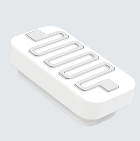
Batch quality questions work better when they focus on process rather than promises. Asking "Do you inspect?" gets a yes. Asking what the factory inspects, how often, and what happens to a failed unit gets an answer a distributor can act on. For empty disposable hardware, relevant checks include incoming material inspection, in-process checks on air tightness and electrical resistance, and outgoing leak sampling before shipment. Aimvape's QC team includes more than 30 QC specialists among 300+ employees, and the factory runs multi-stage inspection covering AOI optical checks, air tightness, and pre-shipment leak sampling. On a magnetic 2-in-1 product such as The Twins: Magnetic 2-in-1 Disposable Vape, magnet fit and contact points add another dimension that a distributor can raise as a specific question. The goal is to hear the supplier describe each step in its own words, with enough detail to show that these checks happen on every batch rather than only during an audit.
A strong RFQ does more than list a quantity. It is the first real test of how a supplier handles a bulk order, and the topics included show whether the factory can match the client's project scope. For an OEM disposable hardware order, the RFQ should cover branding scope, appearance customization details, packaging requirements, batch quantity, and the quality documentation the client needs. Add operational questions: how the factory communicates production progress, which components are sourced externally, whether a second source exists for critical parts, and what happens if a batch quantity changes mid-order. Harvard Business Review's analysis of post-pandemic supply chains notes that visibility into supplier dependencies helps companies adjust when conditions shift. An RFQ that asks the supplier to name those dependencies returns specific answers; one that leaves them behind a production schedule leaves the distributor guessing about capacity. That communication pattern, more than any single answer, makes a bulk order practical to manage.
Evaluating a disposable vape hardware supplier for OEM branding and batch orders comes down to clarity at each step. The branding review confirms trademark boundaries, file handling, and whether the factory can execute appearance customization without surprises. The quality review confirms what the factory inspects during a run and how it reports results. The RFQ conversation confirms how the supplier communicates dependencies, changes, and progress. Aimvape supplies empty professional disposable hardware with OEM/ODM support through AIM Crafted Service. Its factory facts give these reviews a starting point: a 6,000+ ㎡ production base, 300+ employees including 30+ QC specialists and 10+ designers, 50+ patents, ISO 9001, CE, RoHS, and FCC standards, and more than 300 million devices delivered to North American brands since 2016. To move from evaluation to a real project, send your scope to info@aimvape. com and ask for a project assessment against your branding and batch requirements.
A: Confirm how the supplier handles trademark files and brand-mark placement, how mold and design files are stored and accessed, and what the factory inspects during a batch run. These answers reveal whether the supplier has processes for OEM branding and batch supply. Also ask who manages the project day to day, since clear ownership of communication matters once customization begins.
A: Ask what the factory inspects, how often, and what happens to a failed unit. A useful answer covers incoming material inspection, in-process checks such as air tightness and electrical resistance, and outgoing leak sampling before shipment. A supplier that describes these steps in detail and explains how results are recorded gives a clearer picture than one that lists certifications alone.
A: Cover branding scope, appearance customization details, packaging requirements, batch quantity, and the quality documentation your client needs. Add operational questions about production progress reporting, externally sourced components, second-source options, and how quantity changes are handled. A clear RFQ on these points returns specific answers and makes it easier to compare suppliers on the same basis.
Global Supply Chains in a Post-Pandemic World