Introduction: Choosing a disposable vape supplier comes down to whether one device can carry three flavors without crowding the shelf.
Most regional hardware distributors are stuck in the same squeeze: shelf space is fixed, but the flavor list keeps growing. Every new flavor wants its own listing, its own carton minimum, and its own slot, while slow movers sit there turning over twice a quarter. The result is bloated inventory, messy planograms, and retail staff who cannot quickly explain why one product differs from three near-identical neighbors.
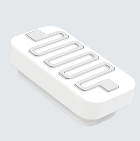
Start with the real cost of flavor sprawl. Three brands at eight flavors each is 24 separate listings, and each one drags a carton minimum, a shelf slot, a label run, and an independent reorder trigger behind it. When a flavor underperforms, you are holding dead cartons that cannot be repurposed. When a winner sells out, you cannot simply move the remaining stock around, because each flavor lives in its own packaging. Distributors feel this most in regional markets where demand shifts seasonally and a flavor that sells well in one territory sits untouched in another. A 3x1mL all in one disposable device changes that structure at the hardware level. One empty device holds three independent 1mL chambers, so a single hardware SKU can represent three flavor SKUs once the buyer fills it. On a shelf or in a wholesale catalog, that means one device line covering a Sativa, Hybrid, and Indica trio, or three fruit profiles, instead of three separate listings competing for the same 30 centimeters of space. The Single, Dual, Triple, and Infinity modes also give retailers something to demonstrate rather than describe, which helps move a premium-priced unit past a customer who came in for a single-flavor pen. The replenishment side is where this gets practical. Forecasting three flavor cartons means three sets of assumptions, three safety stocks, and three chances to guess wrong. Forecasting one device count with a flavor fill plan behind it is a simpler exercise, and it lets a distributor rotate a test flavor into the third chamber without introducing a new hardware line. It is worth being clear about what this does and does not do: fewer SKUs is a planning benefit you can build into a forecast and a planogram, not a promise about how fast any individual flavor will sell through.
A supplier relationship at the distribution level is not really about one spec sheet. It is about whether the factory behind the hardware can support the decisions your retail accounts make every week: what sits on the shelf, how staff talk about it, and how fast a replacement carton arrives. Two areas separate a supplier that can carry multi-flavor inventory from one that simply sells you boxes.
The postless, center-post-free design matters more at the counter than it does on a spec sheet. With no metal column blocking the chamber window, staff and customers can see the oil level in each of the three chambers and understand immediately that this is one device with three separate reservoirs, not a gimmick housing. The digital screen reinforces that by showing which mode is currently active along with battery status and voltage level, so a budtender walking a customer through Single versus Triple does not have to guess or memorize a button sequence. The High and Low voltage settings give retail staff a second talking point, letting them describe a cooler or warmer draw instead of apologizing for one fixed output. And the 280mAh battery with Type-C recharging keeps a demo unit alive through a full weekend of sampling rather than retiring it after one shift. For a distributor whose retail accounts rely on staff who did not design the product, that combination translates into shorter training and fewer returns driven by confusion.
Packaging is where your own regional data should drive the purchase order. A territory that leans Indica-heavy does not need the same bundle mix as one that sells citrus-forward profiles, and the third chamber is a natural place to test a new flavor without committing a full carton to it. A supplier that can run custom child-resistant and retail-ready packaging lets you build one hardware order and several regional bundles: a three-flavor sampler for trial, a two-pack for repeat buyers, and single units for impulse placement near the register. Reorder triggers change along with the packaging. Instead of tracking 24 flavor cartons with separate minimums, you track device count plus fill volume by region, then let the bundle mix absorb the difference between a fast territory and a slow one. It is worth asking any supplier how artwork changes, bundle counts, and packaging material affect the timeline from purchase order to delivery, because those details drive whether your reorder cadence holds through a busy quarter.
Start with range. A supplier that only offers one hero device forces you to build a shelf around a single price point, which makes tiered merchandising awkward. Look for a supplier that can cover the ladder: 1mL, 2x1mL, and 3x1mL empty disposable vape hardware, so your accounts have an entry unit, a mid-tier device, and a premium multi-chamber option sitting side by side. Range is also a stability signal, because factories that tool multiple formats usually have deeper mold and assembly capability behind them. Then separate the factory from the trading desk. Ask who owns the tooling, who runs final inspection, and who signs off on a batch before it ships. RoHS compliance is the relevant baseline for the electronics inside any device with a screen, a battery, and a control board, since it restricts hazardous substances in electrical and electronic equipment. Batch-level traceability matters too. DCC regulations in California tie extract processing and channel records to traceable batches, and distributors operating near that ecosystem should expect a hardware supplier to hand over inspection data without being chased for it. Public procurement frameworks such as NIST SP 800-53 make the same point in a different context: a supplier that can produce clean records on request is easier to build a long relationship with than one that cannot. Samples and customization come next, and they should be tested against your actual plan. Ask for a sample run, ask how the screen branding, shell color, and retail packaging can be adapted under an OEM disposable vape program, and ask for the numbers in writing: MOQ, unit price, sample terms, and production lead time. That is where most first-round comparisons stall, because two suppliers can look identical on a spec sheet and very different once you are three weeks into a purchase order. Aimvape builds empty hardware only, with a 6,000-square-meter facility, three-chamber tooling, and packaging support, so the fit question is whether that hardware line matches your shelf plan rather than whether the factory exists. Stock levels, MOQ, pricing, and lead time are quoted per order, so it is worth sending your target bundle mix and asking for those numbers directly instead of assuming them.
If you are planning multi-flavor retail inventory, the supplier question is really a shelf question. One empty device that carries three flavors reduces the number of cartons, listings, and reorder triggers you have to manage, gives retail staff a screen and a transparent chamber to point at, and lets a regional sales pattern shape the bundle mix instead of the packaging run. Compare candidates on hardware range, factory ownership, documented RoHS and batch records, and how clearly they quote MOQ, samples, and lead time. Send your target flavors, bundle counts, and shelf plan to info@aimvape. com for wholesale vape disposables pricing and sample terms.
A:A factory-direct supplier that builds multi-chamber hardware and sells it as empty devices fits this model best, because the distributor controls the flavor fill and packaging decisions. Look for a supplier offering 3x1mL triple chamber units with independent chambers, transparent postless bodies, digital screens, and packaging options, plus a range that covers single-chamber and dual-chamber devices so your shelf can carry more than one price tier.
A:Three independent 1mL chambers sit inside one hardware unit, so after filling, one device SKU represents up to three flavor SKUs on the shelf. Instead of three listings, three carton minimums, and three reorder triggers, a distributor tracks device count with a flavor fill plan behind it. Single, Dual, Triple, and Infinity modes let that same unit serve both single-flavor customers and buyers who want to mix.
A:Yes. Triple and Infinity modes let staff demonstrate a blended draw, while Single mode isolates one chamber so a customer can taste a specific flavor on its own. The transparent chambers show the oil, the digital screen shows the active mode, battery status, and voltage level, and the 280mAh Type-C battery keeps a demo unit running through a full sampling weekend. Pair it with a three-flavor sampler bundle for launch promotions and counter displays.
DCC regulations - Department of Cannabis Control
RoHS Directive - Environment - European Commission
SP 800-53 Rev. 5, Security and Privacy Controls for Information Systems and Organizations - CSRC
Triple Tank All-In-One Disposable Vape (3x1mL) w/ Digital Screen